Blog
DDD, steady as a rock & constantly changing
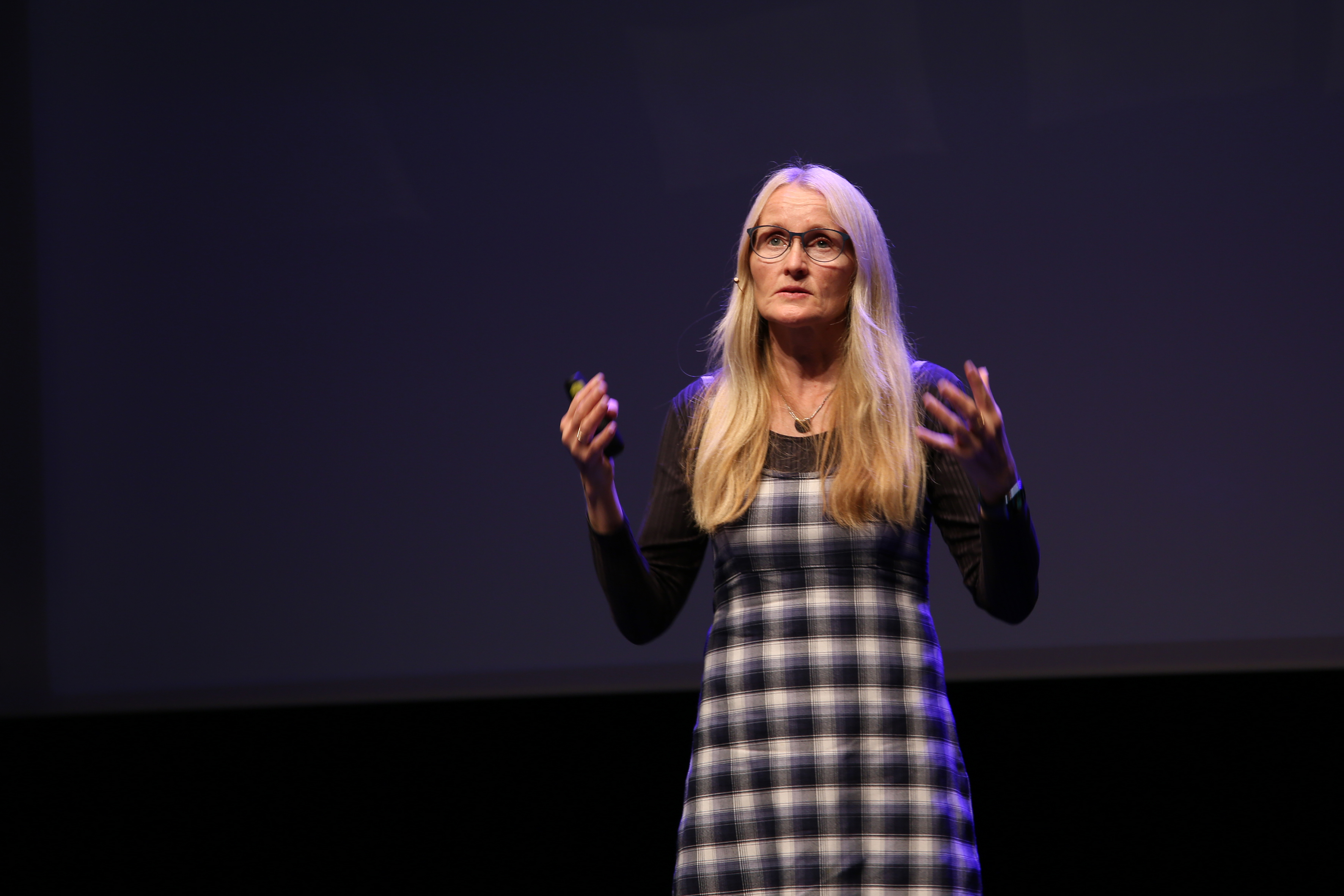
Posted on 2026-03-30 - 3 minute read
For our 10th anniversary, we have asked some of our alumni speakers to reflect on how Domain-Driven Design, the community, or the conference itself has evolved over the past decade.
Alumni-speaker Anita is a UX passionate software developer. She has more than 25 years of experience with creating complex business critical applications, mainly for Equinor ASA, a huge Norwegian energy company. Anita has experience from all parts of the software design process, lately focusing more and more on software architecture and hands on coding. She enjoys spending her workdays using her knowledge of the users and their domain and applying this insight toward the utilization of Domain Driven Design principles in the process of implementing event centric business solutions.
DDD Europe is one of my favourite conferences. I read the DDD Blue book in 2003, but it took another 14 years until I was introduced to the DDD community.
One thing that has not changed during these years of me being part of the DDD community is the openness, the kindness and the feeling of a DDD home. A place to meet friends, new and old ones. During the years I have seen the DDD Europe conference grow, and it has amazed me that this “DDD family” atmosphere is still there. I think much of that is thanks to the DDD superstars that constantly seem to want to learn from others, as well as sharing their own learnings. And, just as important, their acknowledgment that DDD should constantly evolve.
I have learned so much from the DDD community. This community values inspiration, seeing old truth from new angles and expanding the toolbox with new ways of working. As I see it, DDD is steady as a rock and constantly changing. Steady as a rock, due to the fact that DDD is more than 20 years old and still as useful as ever. At the same time, it is moving. The focus on domain events, event sourcing and new collaboration techniques like EventStorming are concrete examples that have changed how I apply DDD today compared to when I started to use DDD more than 10 years ago. All of it blending into the foundation of DDD.
I contributed to the book “Domain-Driven Design – The first 15 Years” with an essay “Domain-Driven Design as usability for coders” arguing that using DDD makes it easier for the coders to do a good job, given they know the business they build solutions for. Maybe, “DDD – usability for AI agents” is something to explore? Here, I think about usability in a very broad sense, meaning it makes it easier for the AI agents to do a good job. Eric Evans once said something like “context is what humans are so good at, but computers are not”. These wise words are something I have brought with me when building business applications. In the world of AI agents I wonder if using DDD will help the computers to be better at understanding this context, and by that make it easier for the AI agents to perform well.
Will the AI agents be a better “pair programmer” when working in a DDD solution since it can apply more than 20 years of knowledge around strategic and tactical DDD, together with knowledge of the business concepts? After all, one of the main motivations for DDD was to bridge the communication gap between the business and the coders, acknowledging that this communication is a foundation for solving complexity in the heart of the software. And in addition, exploiting the business concepts to have good building blocks inside the code. Now having the AI agents, a new communication gap between the AI agents and the coders (or maybe directly towards the end users) must be solved. It will be exciting to see what role DDD will play in the future, but I feel confident that the DDD community will take an active role in adjusting to the change that comes with the new opportunities that AI brings.
Check out our speakers and program to see who's joining us this year.**